

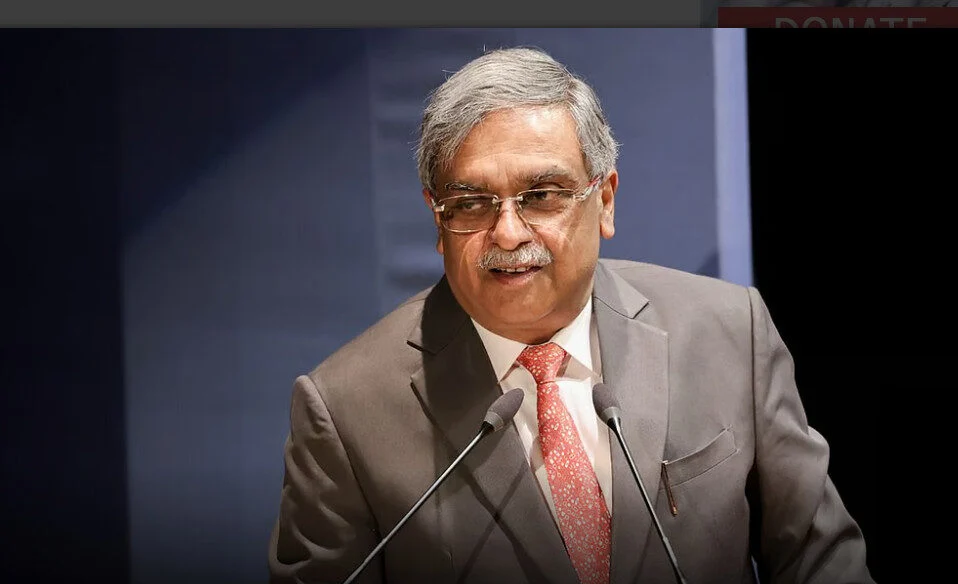
Supreme Court Justice Vikram Nath has raised concern over India’s prison population, stating that nearly 70 percent of inmates have not been found guilty. Speaking at NALSAR University of Law, Hyderabad, during the release of the Fair Trial Programme Report, Justice Nath said that undertrials are often victims of a failing system, not of the law itself.
He noted that many undertrials have spent more time in jail than the maximum sentence for the offence they are accused of. Others charged with bailable offences remain in custody because they cannot afford bail. Justice Nath called this a direct failure of the justice delivery system, not a reflection of guilt.
He highlighted widespread distrust in government legal aid services. Many prisoners, he said, avoid seeking free legal representation because they believe private lawyers perform better. “When legal aid is rendered in form but not in spirit, it fails the Constitution,” he remarked, stressing the need for effective, not symbolic, legal support.
Justice Nath urged stronger coordination among courts, prisons and legal service authorities through a single line of accountability. He also called on law schools to integrate legal aid into their curriculum so that students understand justice through real human experience.
Improving legal aid, he said, is not charity but a constitutional duty and an act of faith in equality before the law.