

Farmers across Afghanistan are adopting innovative farming methods to conserve water, reduce post-harvest losses and increase household incomes, reports the Ariana News citing the Food and Agriculture Organisation of the United Nations (FAO).
Ahead of World Food Day 2026, observed under the theme “Innovate today. Nourish tomorrow,” the FAO highlighted six initiatives helping communities address agricultural challenges, from water scarcity to food preservation.
In Kunduz, laser land-levelling technology is helping farmers improve irrigation and distribute water and fertilizer more evenly. Since 2025, the FAO has provided irrigation associations with shared access to the equipment and training, benefiting more than 23,000 farming families.
In Faryab, mushroom cultivation is creating income opportunities for women in water-scarce communities. One grower produces up to 40 kilograms a month, earning around 8,000 Afghanis from local sales. FAO-supported training and equipment are helping women expand production and access local markets.
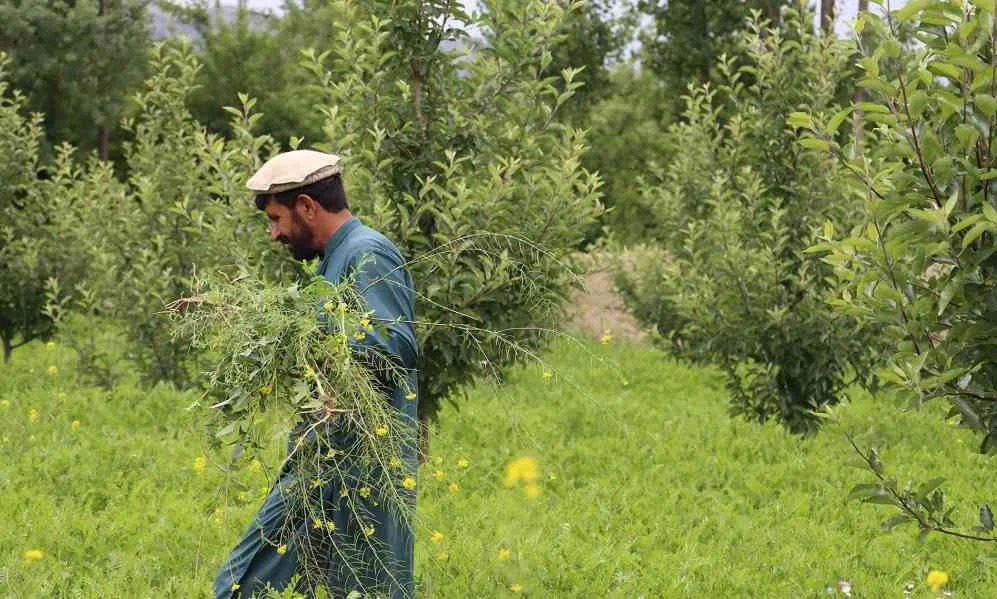
In Paktia, farmers are combining fruit trees with alfalfa cultivation, providing livestock feed while orchards mature. The approach diversifies production, while soil and water conservation practices help protect farmland.
In Takhar, solar dryers are helping women preserve vegetables and fruit for winter consumption and sale. In Bamyan, solar cookers are reducing reliance on firewood and shrubs.