

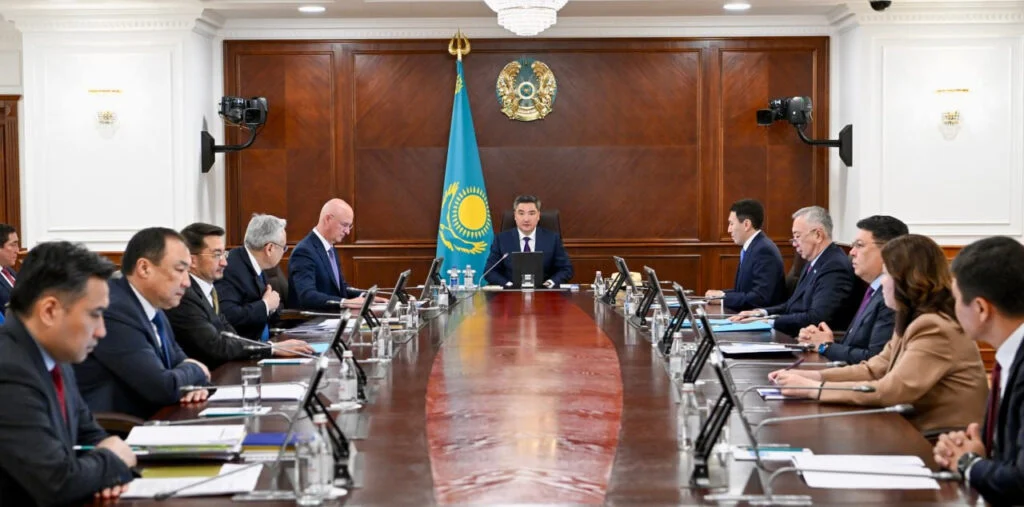
Astana, the Capital of Kazakhstan, has adopted a comprehensive citywide inclusive policy concept aimed at creating an accessible environment across nearly all aspects of urban life, Mayor Zhenis Kassymbek announced during a government meeting on social policy initiatives on April 21.
Kassymbek said the city will increase funding for inclusion and rehabilitation measures by 12% in 2026, while continuing to prioritise social spending. Around 60% of Astana’s budget is allocated to social protection, education, healthcare, and support services.
He said the city currently provides a full range of medical, rehabilitation, and employment support services, including job placement, training, participation in state programmes, and grant opportunities.
“Since the beginning of the year, around 300 people have been covered by employment initiatives, including 65 participants in the Bastau Business programme,” he said.
Astana has developed a structured system of special social services, with seven state institutions and eight non-governmental organisations supporting 7,183 residents.
The city is strengthening inclusive education through 24 specialised institutions and the construction of a new special school with capacity for 800 students, which is expected to ensure full coverage for poor and needy children. It is integrating accessibility measures into infrastructure planning, with improvements scheduled at 173 locations.