

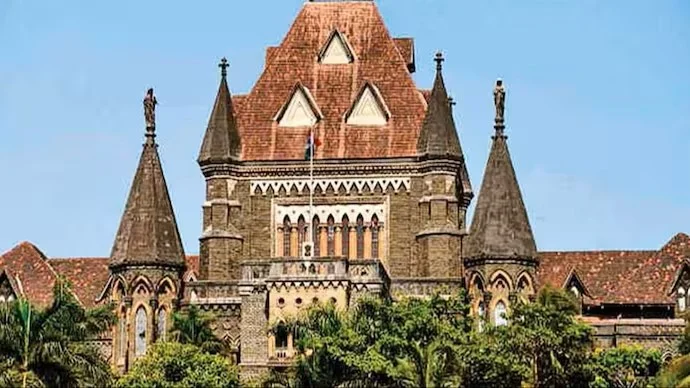
The Bombay High Court has quashed an externment order issued against SDPI leader Saeed Ahmad Chaudhary, delivering a ruling that highlights the constitutional right of citizens to criticise the government and participate in peaceful protests.
Justice Madhav Jamdar set aside the “sheharbadri” order and observed that opposition to government policies alone does not justify punitive action. The court stressed that democratic participation includes the right to question, criticise and peacefully oppose those in power.
During the hearing, Justice Jamdar questioned whether citizens were being treated as “slaves of the Indian government” and asked why peaceful protests or public agitation should invite harsh administrative action. He also questioned why slogans against the BJP government or Union Home Minister Amit Shah should form the basis for an externment order.
The court observed that organising morchas and dharnas against government decisions does not, by itself, qualify as grounds for externment under the Maharashtra Police Act. It also referred to Articles 19 and 21 of the Constitution, stating that citizens enjoy the right to freedom of expression and the right to live with dignity.
Justice Jamdar further remarked that police officers serve the Constitution, the law and the people, rather than political leaders. He also questioned whether protests over issues such as examination paper leaks should result in criminal action.