

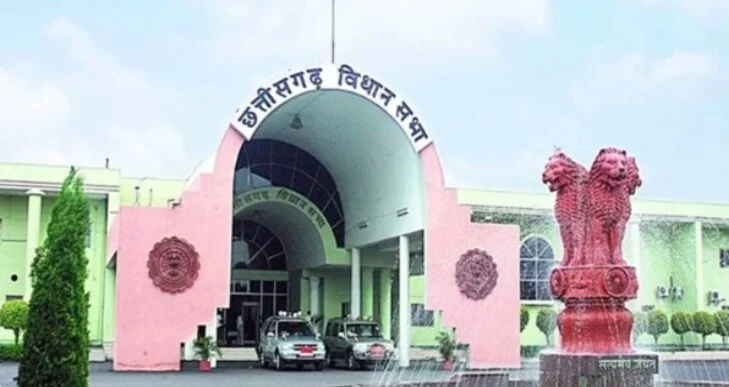
The Chhattisgarh Assembly has passed a new law on religious conversion with strict penalties and expanded state oversight, triggering concern over privacy and religious freedom.
The Chhattisgarh Freedom of Religion Bill, 2026 introduces a mandatory declaration process for individuals seeking to change their faith. Applicants must submit details to the District Magistrate, after which authorities will publish personal information, including name and current and proposed religion, on official platforms and local offices.The law allows objections within 30 days, followed by an official inquiry. Authorities hold powers to verify conversions, summon records, and examine intent.
The Bill defines mass conversion as involving two or more persons in a single event. Such cases attract a minimum prison term of 10 years, extending to life imprisonment, along with fines starting at Rs 25 lakh. Offences are classified as cognisable and non-bailable.
The law places additional obligations on religious functionaries. Priests or clerics must declare conversion intent, while individuals or groups involved in conversions must submit annual reports detailing numbers, personal data, and financial records.
Conversions linked to marriage face scrutiny. Individuals must declare intent 60 days before marriage, and authorities will assess whether the conversion complies with the law.The legislation also restricts funding linked to conversion activities.