

Authorities in Tajikistan’s capital, Dushanbe, are exploring plans to build a modern waste-to-energy facility that would convert municipal solid waste into electricity, as part of broader efforts to strengthen sustainable urban development and environmental management.
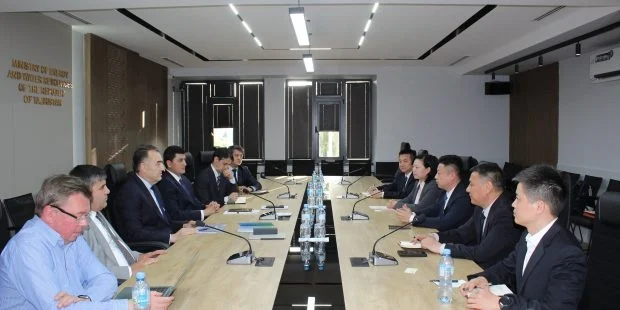
According to The Times of Central Asia, the proposal was discussed during a meeting between Tajikistan’s Minister of Energy and Water Resources, Daler Juma, Chairman of the Environmental Protection Committee Bahodur Sheralizoda, and representatives of the Chinese company Wangneng Environment, a firm specialising in waste treatment and energy recovery technologies.
The discussions focused on the introduction of advanced waste-processing systems, including technologies capable of generating electricity through the incineration of municipal waste and other energy-recovery methods. Similar facilities operate in numerous cities across Asia and Europe.
The project has gained significance as Dushanbe faces growing challenges associated with rapid urbanisation. Rising population levels and increasing volumes of household waste are placing mounting pressure on the city’s existing landfill-based waste-disposal system.
If realised, the proposed plant could help address multiple challenges simultaneously by reducing reliance on landfills, improving environmental and public health conditions, and contributing additional electricity to the city’s power supply.