

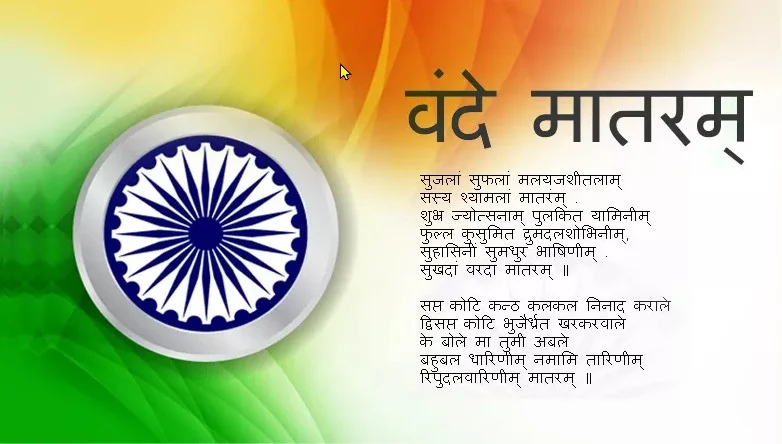
A former IAS officer from Kerala has moved the Supreme Court against the Centre’s orders on the six-stanza version of Vande Mataram. The petition challenges orders dated January 28 and July 9, 2026. The orders prescribe the longer version for singing and playing on specified occasions.
Balakrishnan SathyabhamaMavoji filed the plea as Chairman of the AnupathikaPrathinidhyaPrakshobha Samithi. He belongs to a Scheduled Caste community and describes himself as a Hindu. He says he does not follow the Vaishnavite or Saktheya practices referred to in the six stanzas. He argues that compulsory singing forces him to honour deities and a doctrine he does not accept.
The petition says the orders replace the two-stanza version used as the National Song since Independence. It calls the six-stanza text from Anandamath, a religious war song. According to the plea, Hindu combatants in the novel pray to Durga, Saraswati and Lakshmi, and to the country as a goddess, for victory over Muslims. The petitioner describes the novel as filled with violent and hateful invective against Muslims.
The plea warns that the orders will deepen communal division. It says they outrage the religious feelings of minority communities and promote enmity between Hindus and Muslims. It calls the orders an attack on fraternity and secularism.
Historically, Rabindranath Tagore accepted the first two stanzas and could not sympathise with the later ones.