

Hindu worship across India has never followed one uniform tradition. While most temples offer vegetarian bhog, a number of Shakta, Tantric and folk temples have for centuries included fish, meat or alcohol as offerings to their deities, and in many cases distribute these as prasad to devotees.
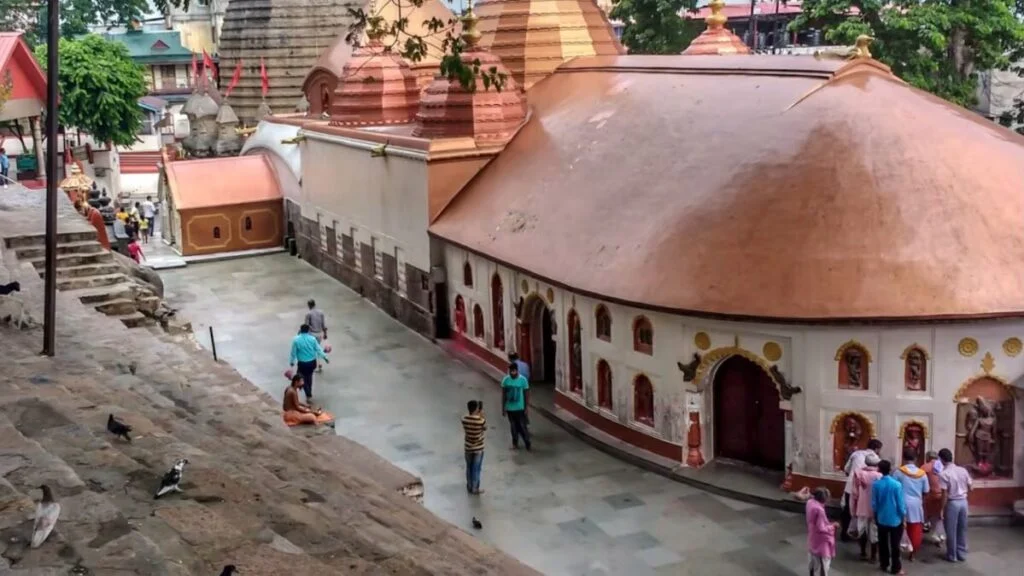
In a detailed article for News18, Anushka Vats explains that at the Kamakhya Devi Temple in Assam, animal sacrifice forms part of Shakta-Tantric rituals. Goats are traditionally offered to the Goddess, who is worshipped in the form of a sacred yoni rather than a conventional idol.
At Tarapith Temple in West Bengal, fish and goat meat are offered to Goddess Tara, and certain Tantric rituals also involve alcohol.
At Kalighat Kali Temple in Kolkata, goats are traditionally sacrificed and the meat cooked and distributed. At Vimala Temple in Puri, Odisha, fish and goat meat are offered to Goddess Vimala during Durga Puja. The shrine represents a Shakta tradition within the larger Jagannath temple complex, which follows Vaishnavism.
At ParassinikadavuMuthappan Temple in Kerala’s Kannur, devotees offer dried fish and toddy to Muthappan. At Muniyandi Swami Temple near Madurai, chicken and mutton biryani are prepared and distributed during the annual festival.Ancient Vedic texts also describe animal sacrifices as part of certain religious rituals, listing goats, sheep, cattle and horses among the animals mentioned.