

 In a world increasingly driven by individual success, the true measure of progress lies in how we uplift those around us. My journey as a Master’s student of Clinical Psychology at Amity University, and being a part of YSS Foundation, and the Calm Connect initiative (APP founder – Mr Faizan Ayoub) as a volunteer, has shown me that social work is not merely an act of service; it is a pathway to collective growth and personal transformation.
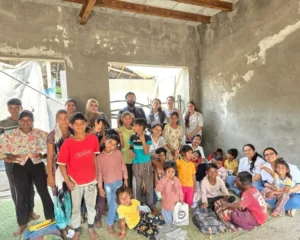
Engaging with children at YUVA Street School through teaching and creative therapy sessions revealed that emotional well-being and learning are deeply interconnected. Using art and music as tools of expression allowed children to communicate beyond words, reflecting principles of expressive therapies and social learning, where growth occurs through interaction and supportive environments. These experiences reinforced that education must be inclusive, engaging, and emotionally responsive.
Mental health awareness emerged as a critical focus area. Workshops conducted in educational institutions and involvement with the Calm Connect platform highlighted how anxiety and depression often remain unrecognised among students. This underscores the importance of mental health literacy and aligns with the biopsychosocial understanding that well-being is shaped by the interaction of personal, social, and environmental factors. Making mental health conversations accessible and stigma-free is not just necessary; it is urgent.
A particularly impactful experience was conducting a menstrual and reproductive health awareness campaign at Rahat Welfare Foundation, along with the distribution of sanitary pads. Interacting with adolescent girls revealed the depth of stigma, misinformation, and lack of access surrounding menstrual health. Addressing these issues was not only about spreading awareness but about restoring dignity, promoting agency, and ensuring that basic health rights are accessible to all.
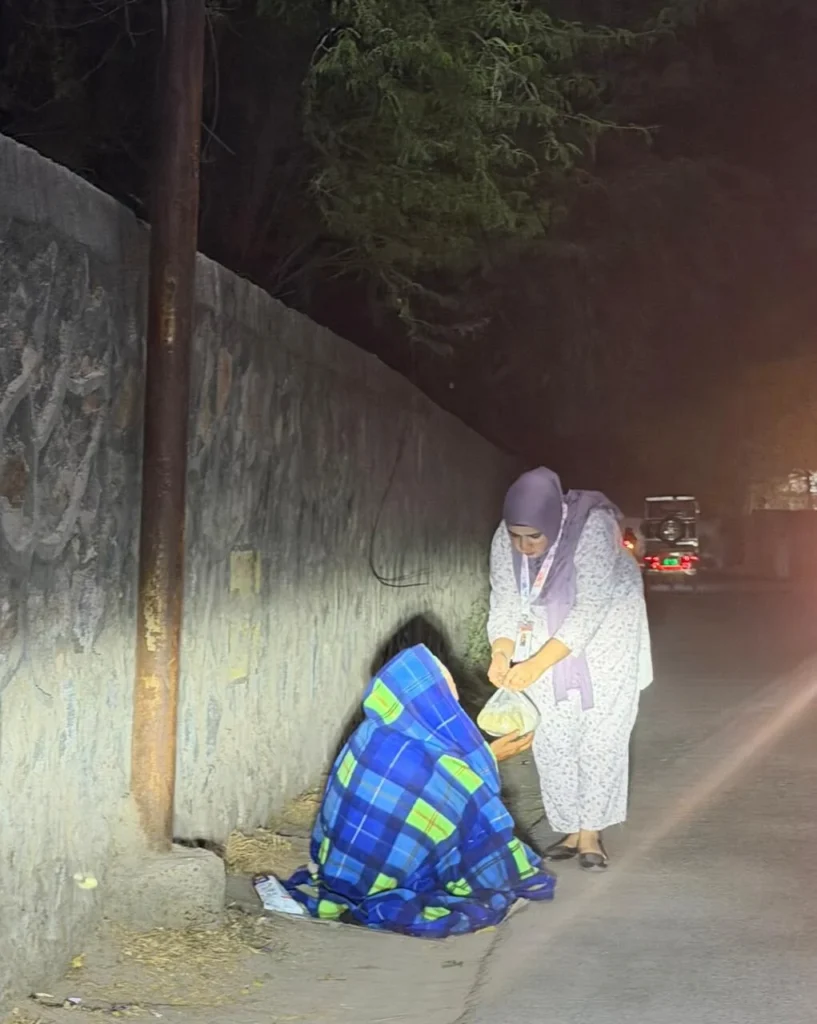
Alongside awareness initiatives, direct community support activities such as the distribution of milk and ration to underprivileged individuals highlighted the immediate realities of economic hardship. These experiences demonstrated that even small acts of support can provide relief, build trust, and reinforce a sense of care and belonging within communities.
Participation in health awareness programmes at Medanta Hospital for breast and colon cancer further emphasised the importance of preventive healthcare. These initiatives demonstrated that fear associated with serious illnesses is often rooted in misinformation, and that awareness can empower individuals to take timely and informed action.
Equally powerful was participation in a candle march in remembrance of the Pulwama martyrs, which reflected collective identity, unity, and shared emotional expression. Such experiences highlight how community engagement fosters a sense of belonging and social responsibility.
Beyond community impact, this journey brought significant personal growth. It enhanced empathy, communication, adaptability, and critical thinking, while bridging the gap between theoretical knowledge and real-world application. It became evident that psychology is not confined to textbooks; it lives in everyday interactions, behaviours, and social realities.
For society, the way forward lies in strengthening grassroots awareness, integrating mental health into everyday conversations, ensuring access to basic health and hygiene resources, and promoting inclusive education. Small, consistent efforts – whether through volunteering, awareness campaigns, or direct support – can collectively create sustainable change.
Social work creates a ripple effect. A single act of kindness can influence countless lives, building stronger, healthier, and more compassionate communities. At the same time, it transforms the individual, instilling purpose and a deeper connection with humanity.
Ultimately, meaningful change does not always require grand actions; it begins with awareness, empathy, and the willingness to act.