

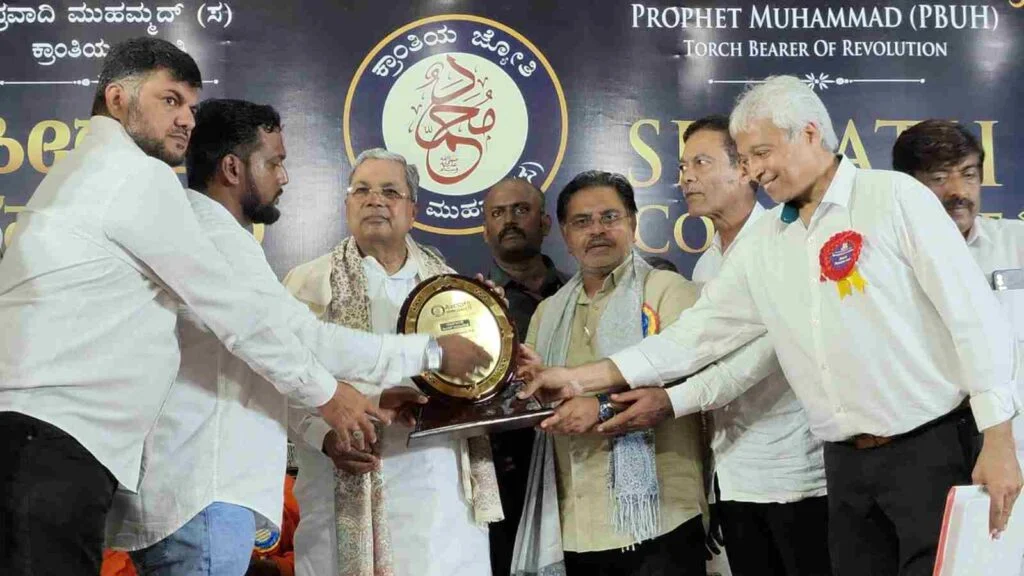
 “Who is Prophet Muhammad? This was the first time I got an opportunity to know about him.”
The words came from a participant in an essay competition in Bidar. They were simple, but they captured the purpose of an entire statewide campaign. Muslims and people of other faiths have lived together in Karnataka for generations, studying in the same institutions, working in the same offices, travelling in the same buses and sharing the same towns and neighbourhoods. Yet it is still possible for someone to grow up knowing the name Muhammad without really encountering his life, character and teachings.
It was this distance that Jamaat-e-Islami Hind Karnataka sought to address through Seerat Campaign 2026, held under the theme “Inqilab Ke Alambardar, Prophet Muhammad ﷺ.” The formal campaign ran from August 26 to September 6, though activities continued beyond those dates. Reaching fellow citizens beyond the Muslim community was central to the campaign. It sought to introduce the Prophet ﷺ through his message of justice, compassion, human equality and dignity, and to create opportunities for people to read, meet, ask questions and talk.
The campaign opened with a state press conference in Bengaluru, followed by media interactions across Karnataka. A major opening programme at Yeshwantpur, Bengaluru, along with an exhibition on the life and message of the Prophet ﷺ, set the campaign in motion.
Early momentum came from JumaMasajid in several important cities. Friday sermons reflected on the life of Prophet Muhammad ﷺ and, significantly, reminded Muslims of their responsibility to take his message beyond their own community. Two books written specially for the campaign became part of this effort. Released after Friday prayers at a number of important centres, they subsequently travelled through Karnataka, appearing at symposiums and public programmes before finding their way into thousands of individual hands.
By then, the campaign was on the road. Mohammed Kunhi, Akbar Ali Udupi and Lal Hussain Kundgal were among the core speakers travelling from city to city, while local workers were creating their own opportunities for conversation.
 Where There Was No Jamaat Unit
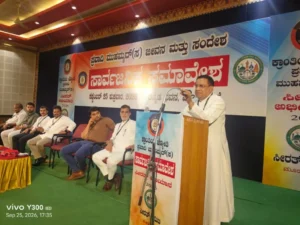
Moodbidri offered an unusual example. Jamaat-e-Islami Hind had no local unit in the town. Its district leadership approached the local Seerat Committee, which responded, and a public programme took shape at Kannada Bhavana. Mohammed Kunhi was among those who addressed the gathering.
The significance went beyond the size of the audience. The campaign had crossed its own organisational boundaries and entered an important educational town through cooperation with people already working there.
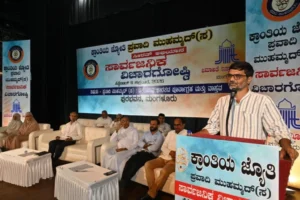
Ballari offered a very different encounter. A round table brought together professors, professionals and other educated participants, who were encouraged to ask questions without having them screened beforehand. Questions came on jihad, violence, women, competing religious claims and the relevance of religion to Gen Z.
Some were difficult questions. That was precisely why the meeting mattered. Seerah had entered a space where people could bring their doubts to the table instead of carrying them away unspoken.
Elsewhere, the settings and voices kept changing. Mangaluru brought religious and social figures together at Town Hall. Ullal, Hosapete, Chitradurga, Padubidri, Bailhongal, Kushtagi and several other places created similar opportunities for people of different faiths and backgrounds to sit together. Justice, compassion, equality, spirituality, family, neighbourhood and coexistence entered the conversation in different ways.
One Book, One Meeting, One Conversation
Some of the campaign’s most important work happened away from public platforms. Workers met writers, educationists, principals, teachers, social activists, religious figures, political leaders, government officials and other influential personalities. Books on Prophet Muhammad ﷺ were presented and conversations followed. More than 24,000 books were distributed during the campaign.
One such meeting was with former Karnataka minister and noted Kannada writer B.T. Lalitha Naik. A Kannada book on Prophet Muhammad ﷺ was presented to her, and the conversation turned to women. She described the Prophet ﷺ as a liberator of women and said that what he had done for women’s rights and advancement was historic and deserved lasting gratitude. A book had not simply changed hands. It had opened a conversation.
Similar encounters took place across Karnataka. In Muddebihal, workers approached writers, lawyers, social workers and Christian personalities. In Bailhongal, books reached educationists and other prominent citizens. Elsewhere they entered offices, educational institutions, homes and places of worship. The campaign was moving not only from city to city, but from person to person.
The Work That Rarely Becomes News
That person-to-person effort also depended on people whose names would never appear on a programme poster. Ashfaq, a Jamaat worker in Bengaluru’s RT Nagar who describes himself simply as ‘an ordinary man’, went with two companions from door to door in Matadahalli, an area with many poor and Dalit families. They carried Seerah pamphlets, introduced Prophet Muhammad ﷺ and talked to whoever was willing to listen.
Those visits brought Ashfaq into contact with a group of sanitation workers. Since most of them spoke Telugu, a colleague who knew the language joined him. There was no hall or stage. The workers gathered on a street corner after their morning shift. Shopkeepers listened and passers-by stopped. For a few minutes, an ordinary Bengaluru street became a place for talking about the Prophet ﷺ.
Afterwards, small boxes of sweets were distributed. One woman accepted hers and said, “Breakfast would have been better.” The remark stayed with Ashfaq. These were people who left home early to clean other people’s streets. He had gone there hoping to communicate something about the Prophet ﷺ; he returned with a reminder that caring for people begins with noticing what they actually need.
There must have been many such moments across Karnataka that left no newspaper clipping or social media post behind. Someone had to knock on the door, seek permission, carry the book, invite a neighbour and sit down with a stranger before the larger programmes could acquire their meaning.
Read in fullhere