

If RSS and other Hindutva organisations are so concerned about health and about religious morality, they should pressurise the government to observe an anti-drinking day, suggests DR. JAVED JAMIL.
With the celebrations for Yoga Day on 21 June, what needs to be admitted is that Prime Minister Narendra Modi has been successful in combining His agenda of Hindu nationalism and corporatisation. Yoga Day will mark a milestone in the global corporatisation of Yoga. If the Government has made every attempt not to let the Day become victim of Hindu-Muslim divide with concessions on Surya Namaskar and chanting of Aum, it is less about respecting the sensitivities of Muslims and more about the demands of the large scale corporatisation of Yoga. Corporatisation always wants to expand its reach, and therefore avoids any kind of conflicts related to its products.
If Modi has in recent times tried to woo Muslims through Ramadhan greetings and meetings with some Muslim representatives, it is also aimed at bringing unity on the cause of Yoga. Reasons may be right or wrong, but the Government has certainly looked to avoid divisions in society on the eve of the World Yoga Day. If he was seen inking it with the Hindu religion, there was always a danger of many countries walking out of the celebrations and subsequent support to Yoga Market in their lands.
But if Yoga is about health, and the government is so much concerned about health, why not ban practices that destroy lives and bring diseases of all kinds to human bodies? The reason lies in the corporatisation of health system, which keeps economic interests ahead of health. In my book, Qur’ānic Paradigms of Sciences & Society (First Volume: Dynamic Paradigm of Health), I have compiled huge statistics to show how first the problems are commercialised, and then their solutions are commercialised.
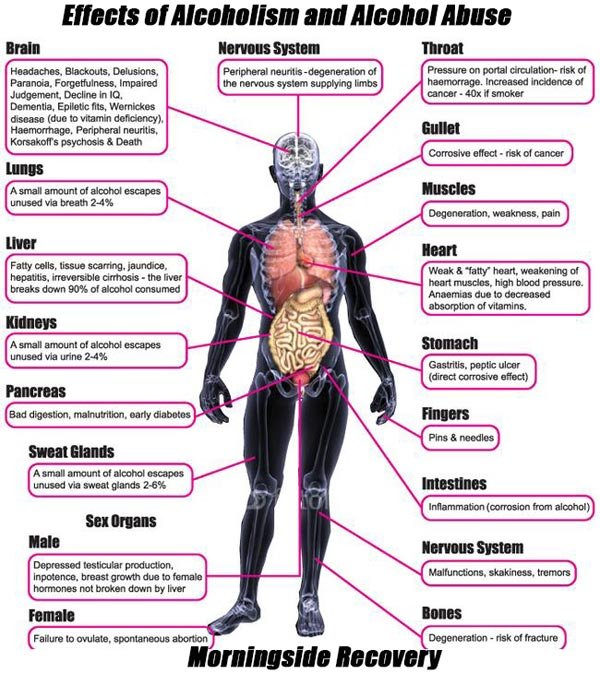
Take the example of Alcohol. In my above mentioned book, I have shortlisted its effects on human lives:
Worldwide, alcohol accounts for more than 2.5 million deaths15.
• According to Global Burden estimates, the extent of worldwide psychoactive substance use is estimated at 2 billion alcohol users, 1.3 billion smokers and 185 million drug users.
• In an initial estimate of factors responsible for the global burden of disease, tobacco, alcohol and illicit drugs contributed together 12.4% of all deaths worldwide in the year 2000. Looking at the percentage of total years of life lost due to these substances, it has been estimated that they account for 8.9%16.
• In developing nations, alcohol ranks as the fourth cause of disability among men.
• Deaths attributable to alcohol form 1.3 per cent for developed regions and 1.6 per cent for developing regions.
• ‘The Global Burden of Disease’ study estimated that, in 1990, alcohol was responsible for 3.5 per cent of the world’s total disability-adjusted life-years lost. This exceeds the tolls taken by tobacco (2.6 per cent) and illicit drugs (0.6 per cent) combined. Among men, alcohol is the leading cause of disability in industrialised countries and ranks fourth in causing disabilities in developing countries (WHO, 1999).
• In industrialised nations, 14.3 % and in developing nations, 4.4% of total disability adjusted life years are lost.
• There are countries with alcoholics in the range of 10-36 % of total population. (Remember that alcoholic means an alcohol-dependent person, not the persons who take alcohol irregularly.)
• Cirrhosis is one of the ten leading causes of death in Mexico. Among men between the ages of 35 and 45, it is the number one killer. In Mexico, Venezuela R.B., Argentina, and Trinidad and Tobago, cirrhosis deaths among men are as much as three times higher than the deaths among women.
• In 2002, the National Highway Traffic Safety Administration (NHTSA) estimated that 35 per cent of all traffic deaths occurred in crashes in which at least one driver or non-occupant had a BAC of 0.08 per cent or more and that any alcohol was present in 41 per cent of all fatal crashes in 2002.
Table
Per cent of traffic fatalities attributed to alcohol
(male traffic
deaths)
Chile 1970 46%
Colombia 1990s 60%
Costa Rica 1990s 46%
Peru 1990s 50%
• Alcohol was estimated to cause 41 per cent of suicide cases among men in Australia, compared to only 16 per cent among their female counterparts.
Table
Selected Health Issues by Alcohol Attributable Fractions
Health issue Australian Canadian
Male Female Male Female
Liver cancer 0.18 0.12 0.29 0.16
Breast cancer – 0.03 – 0.04
Unspecific liver cirrhosis 0.54 0.43 0.54 0.54
Chronic Pancreatitis 0.84 0.84 0.84 0.84
Spontaneous abortion – 0.04 – 0.20
Road injuries 0.37 0.18 0.43 0.43
Fall injuries 0.34 0.34 0.24 0.15
Fire injuries 0.44 0.44 0.38 0.38
Drowning 0.34 0.34 0 30 0.23
Suicide 0.41 0.16 0.27 0.17
Assault 0.47 0.47 0.27 0.27
• Drinking, along with poor condom use and sex with prostitutes, was found to increase by a factor of 15.6 the soldiers’ risk of acquiring sexually transmitted diseases. More than a quarter (26 per cent) of the women seeking counselling services in the urban areas of Mexico reported that their partners’ abusive behaviours were fuelled by intoxication (Ramirez and others, 1992). In the Solomon Islands, 32 per cent of family violence offences were related to problem drinking (McDonald, 1995). Even higher rates were found in South Africa: 67.4 per cent of domestic violence cases in Cape Town and 76.4 per cent in rural areas involved alcohol use (Parry, 1995).
• In both Canada and Australia, 16 per cent of child abuse cases could be attributed to alcohol. In Japan, 20 per cent of abused children had alcoholic parents, and in Hungary 8.6 per cent of child abuse cases in 1994 involved alcohol (Fekete, 1996). Alcohol has also been associated with a high proportion of child abuse cases in the UK (30 per cent) and Norway (50 per cent) (Moser, 1992).
• Alcohol use disorders present serious problems for the interpersonal relationships, health, and productivity of employed men and women. Of the $117 billion estimated as the economic cost of alcoholism and alcohol abuse in the United States in 1983, nearly $71 billion (61 per cent) was attributed to lost employment and reduced productivity.
• A new study finds that excessive alcohol consumption cost the United States $223.5 billion in 2006, or about $1.90 per drink.
Table
Worldwide Deaths Attributable to Alcohol
Cause Of death Total deaths Pc alcohol related Total alcohol deaths
Motor Vehicle Accidents214,208 50 107,104
Oesophagus Cancer 805,980 75 604,485
Liver Cancer 488,060 15 73,209
Alcohol Dependence 279,930 100 79,930
Syndrome Cirrhosis 2,094,110 50 1,047,055
Total 2,111,783
Some of the findings of a research report entitled, “ALCOHOL-ATTRIBUTABLE MORTALITY IN A HIGH PER CAPITA CONSUMPTION COUNTRY – GERMANY” by Ulrich John and Monika Hanke are startling. The report says:
Based on data from Europe, increases or decreases of 1 litre of pure alcohol in the per capita consumption were estimated to be associated with increases or decreases of 1.3% in all-cause mortality rates (Her and Rehm, 1998)