

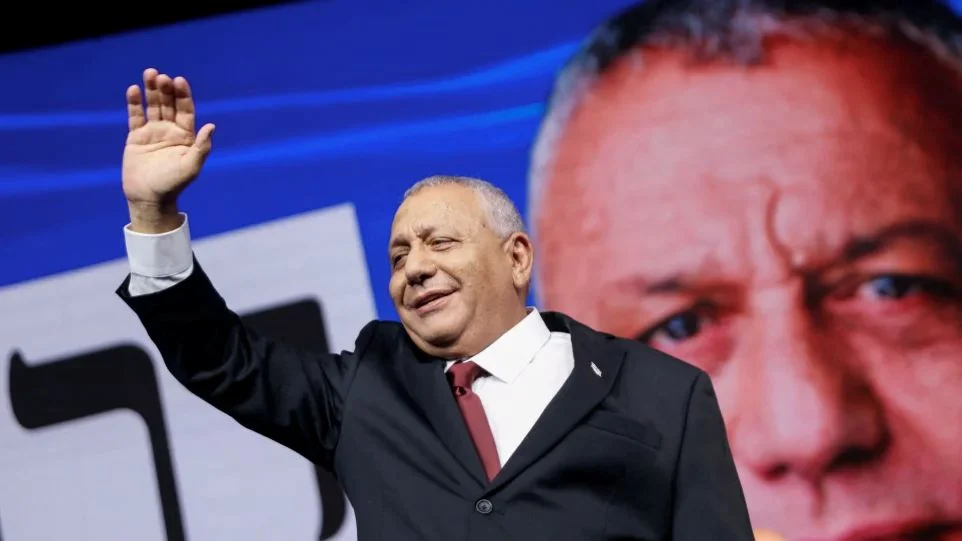
Israeli President Isaac Herzog on Nov. 7 chose opposition leader Gadi Eisenkot to try to form a new government, after an inconclusive election left neither he nor Prime Minister Benjamin Netanyahu with a clear path to power.Eisenkothas 28 days to build a coalition, with a possible 14-day extension.
Netanyahu’s right-wing bloc won 53 seats in the Oct. 27 election, short of the 61 needed for a majority in the 120-seat Knesset, though it remains the largest grouping in parliament.
The opposition alliance led by Eisenkot won 48, while Arab-led parties secured a record 19 seats between them, giving them a potentially decisive role in coalition talks.Both Arab-led parties backed Eisenkot during consultations with Herzog.
Ra’am, led by Mansour Abbas, endorsed him with its eight lawmakers, followed by the Joint List.That brought Eisenkot’s total to 67 lawmakers, against 46 for Netanyahu.
United Torah Judaism, which had backed Netanyahu after the previous five elections, declined to recommend him this time, though it did not back Eisenkot either.
The Joint List said its unanimous decision reflected public demand to stop Netanyahu and his government from returning to power, and was aimed at widening Eisenkot’s lead to improve the chances of replacing the incumbent government.
Eisenkot’s bloc has so far refused to formally ally with the Arab-led parties, even though they could hand it a majority.