

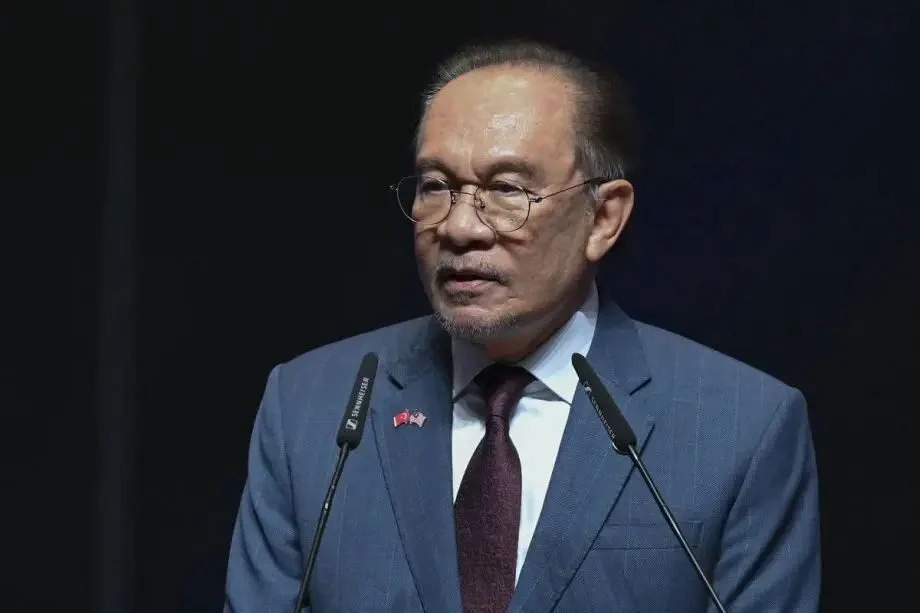
Malaysian Prime Minister Anwar Ibrahim on March 1 “unreservedly” condemned the killing of Iran’s Supreme Leader Ali Khamenei, said an Anadolu report.“This act places the Middle East on the edge of grave and sustained instability,” he said in a statement on the US social media company X, offering condolences to Iran and the Iranian people.
“Those who greet his death with approval should recognise the consequences of such actions. Existential threats seldom yield predictable reactions. The deliberate targeting of a head of state sets a dangerous precedent and weakens the norms and principles that underpin the international order,” Anwar said.
He also urged Tehran to “respond with the utmost restraint,” as well as endorsing calls on all parties “to step back from further escalation.”
Anwar said Kuala Lumpur will “urgently evaluate the economic repercussions of the conflict, including risks to regional airspace and to freedom of navigation through the Strait of Hormuz.” Malaysia’s trade and energy security are “directly implicated.We will act to safeguard our national interests.”
Anwar called for an “immediate ceasefire, the protection of civilians and a return to serious dialogue.”
“This crisis cannot be resolved by force. It requires diplomacy, restraint and political will.”
The Iranian Supreme National Security Council said Khamenei’s death would mark the beginning of a “great uprising against the tyrants of the world.”