

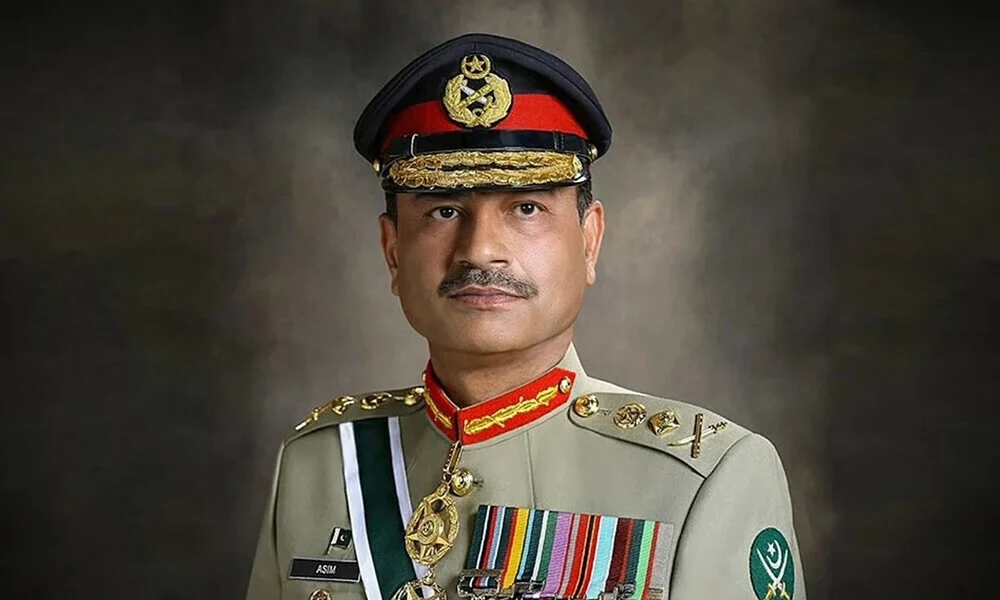
Pakistan’s army chief, Field Marshal Asim Munir, wants to divide the country’s four provinces into smaller states, according to a report by The Economist. The plan would create 12 to 15 new provinces, or even 160 smaller territories.
Pakistan now has four provinces. They are Punjab, Sindh, Khyber Pakhtunkhwa and Balochistan. The proposal would change how power is organised across the country.The four provinces differ widely in size and population. Punjab has around 128 million people, more than half of Pakistan’s population. Balochistan is the largest province by area, yet it has only about 15 million residents.
The report points to administrative problems in Punjab. Rural residents travel for hours to reach government services. Fewer than a quarter of Punjabis have reliable access to safe drinking water at home. Munir argues the provinces are too large to govern well, and he links this to Pakistan’s poor performance.
Pakistan faces weak growth, high inflation and heavy debt-servicing costs. The report says the causes run deeper than provincial size. It notes the military has ruled Pakistan directly for more than two-fifths of the country’s history. It also cites the army’s control over valuable land and businesses and its large share of state resources.
The report accepts a genuine administrative case for smaller provinces. Pakistan has grown enormously since 1947. Yet the plan would redraw the balance of power as well as the map.