

 In a world that moves at the speed of a swipe, reading has quietly slipped out of everyday life. Short videos replace long chapters, headlines stand in for understanding, and scrolling often takes precedence over reflection. Yet, even in this fast-paced, digitally advanced age, reading has not lost its relevance. In fact, it has become more essential than ever.
Reading does more than informing, it shapes how we think, feel, and engage with the world. A society that reads is not merely knowledgeable; it is thoughtful, empathetic, and capable of meaningful leadership. Simply put, a generation that reads is a generation that leads.
Why Reading Still Holds Power
Books teach us patience in an impatient world. Unlike fleeting digital content, reading demands attention, reflection, and depth. It trains the mind to analyse ideas, question assumptions, and connect thoughts and skills no algorithm can replace.
In an age overwhelmed by opinions, misinformation, and viral narratives, reading nurtures discernment. Regular readers learn to separate fact from falsehood and bias from truth. This clarity of thought is not merely intellectual strength; it’s civic responsibility.
Reading also builds empathy. Through stories, biographies, and lived experiences captured in words, readers step into lives unlike their own. They begin to understand struggles, cultures, and emotions beyond personal experience. In families, institutions, and society at large, empathy strengthens trust and unity, the qualities urgently needed in today’s times.
A Quiet but Concerning Decline
Despite its proven value, reading habits are declining at an alarming rate. Fewer children and adolescents read for pleasure, daily reading has fallen significantly, and teachers increasingly report disengagement with books.
At the same time, screen-based entertainment dominates leisure hours. With smartphones always within reach, attention spans shrink while depth of thought fades. This shift is not merely a lifestyle change; it directly affects how minds develop, how decisions are made, and how society evolves.
What Reading Does to the Mind
Neuroscience confirms what readers have always known: reading strengthens the brain. Deep reading activates areas responsible for language, memory, focus, emotional understanding, and decision-making. It builds mental stamina and nurtures the ability to think calmly and critically.
In contrast, constant exposure to fast-paced digital content often fragments attention and encourages instant gratification. Choosing to read, therefore, is not nostalgia; it’s a conscious act of mental resilience in a distracted world.
Bringing Reading Back into Everyday Life
Reviving a culture of reading is not the responsibility of schools alone. Homes, communities, workplaces, and social spaces all have a role to play. Reading aloud to children, sharing books, discussing articles, forming reading circles, or simply choosing a book over endless scrolling, small acts can create lasting impact.
Reading also sharpens communication. Exposure to rich language, diverse ideas, and structured thought improves expression and confidence. Strong societies are built not on noise, but on clear thinking and meaningful dialogue.
 Technology: A Tool, Not a Replacement
Technology itself is not the enemy of reading. E-books, audiobooks, digital libraries, and online publications have made literature more accessible than ever before. The real challenge lies in intention, choosing depth over distraction and using technology to support reading, not replace it.
PhirseKitaab: Literature as a Social Movement
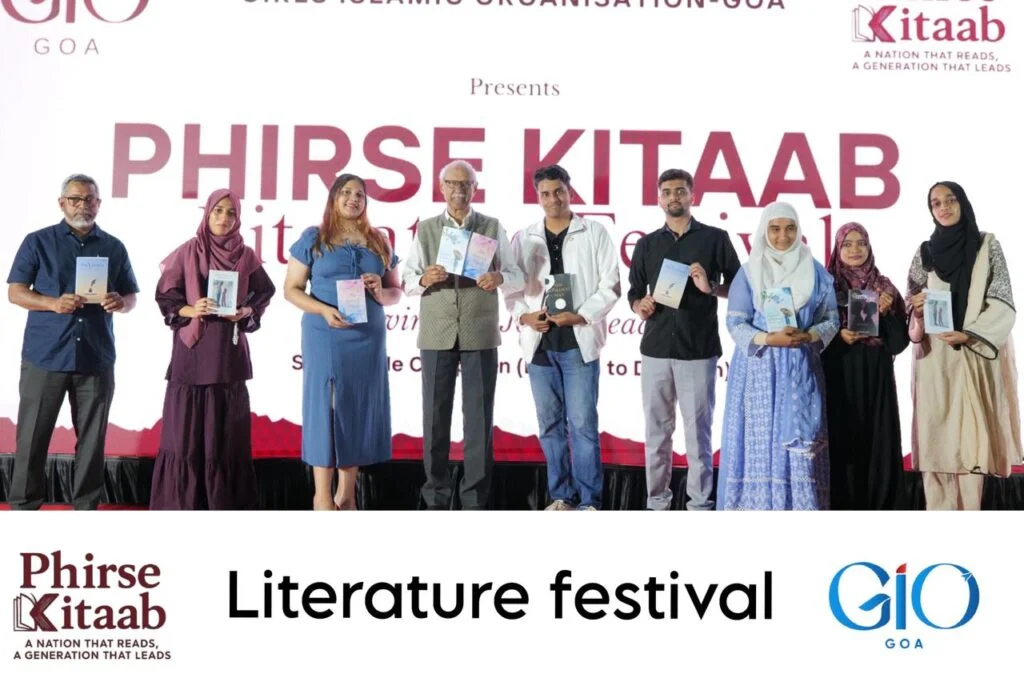
Recognising the urgent need to reconnect society with books, the PhirseKitaab Literature Festival – Anation that reads, a generation that leads was organised by the Girls Islamic Organisation (GIO), Goa, a socio-educational organisation committed to the intellectual, emotional, and moral development of society, on 27th December 2025 at the International Centre Goa.
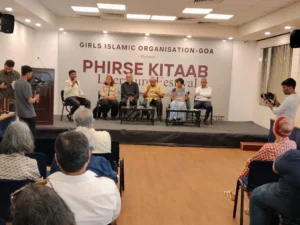
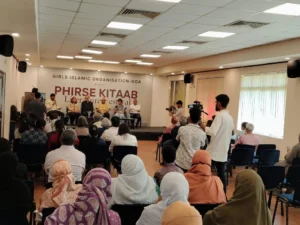
The festival brought together writers, thinkers, journalists, educators, and readers to reflect on the declining reading culture and its impact on society. Eminent personalities such as Gyanpith Awardee Shri DamodarMauzo, Ms. TalullahD’Silva, Adv. Albertina Almeida, Mr. Alexandre Moniz Barbosa, Mr. Frederick Noronha, Mrs. Arthy Muthanna Singh, and others shared insights on literature, social change, the art of storytelling, raising readers at home, and rediscovering the joy of reading.
Beyond panel discussions and conversations, the festival came alive through engaging literary activities designed to make reading joyful and participatory. These included Literacy Tambola, thematic book displays, blackout poetry, silent reading corners, story walks, and other interactive spaces that encouraged readers of all ages to pause, explore, and reconnect with books in meaningful ways.
A particularly inspiring moment was the release of six books authored by young writers Rachel Gale Coutinho, Yash Deepak Kerkar, Gordon Noel Pires, Areeba Shah, Sharmin Khan Deshmukh, and SyedaAfifaQadri symbolising hope, creativity, and renewed faith in the future of literature.
PhirseKitaab is not merely a festival or a campaign; it’s an appeal. An appeal to pause, reflect, and return to books. To reclaim reading as a shared cultural habit rather than a forgotten luxury. In the rush of the digital age, books remind us how to slow down, think deeply, and lead wisely. When society reads, it grows, not just in knowledge, but in humanity. Because reading does not merely help us keep up with the world, it teaches us how to shape it.