

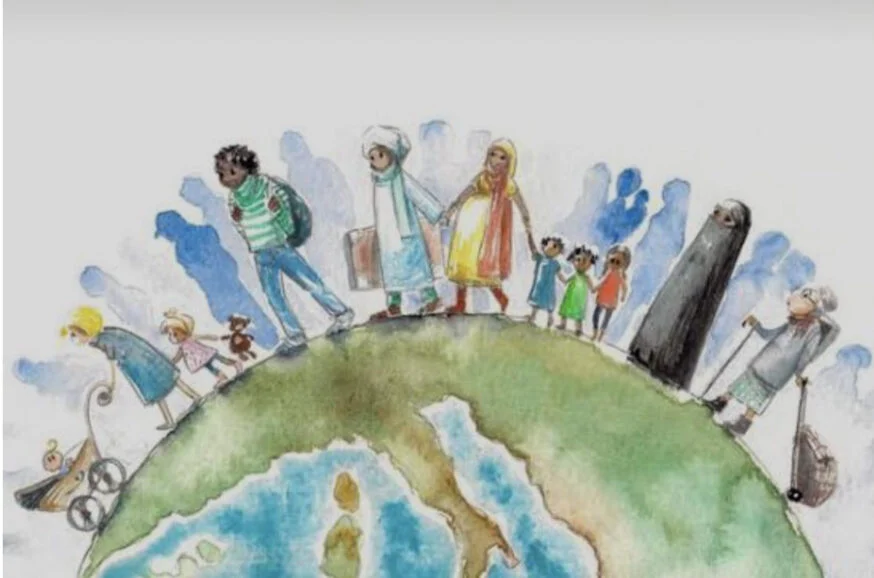
India is a multi-religious, multi-cultural, and multi-traditional country. But in the midst of all these diversities, the daily life in India reveals how people survive with each other in tune with harmony and understanding.
Meanwhile, as the media shows us a world filled with religious hate, they never reveal how people live in love and harmony with one another after they remove religious differences. The provinces of Karnataka, Kerala, and West Bengal display how religious harmony works through shared festivals and respect.
Religious Harmony Consolidation
Similarly, India has experienced many such incidents that have seen the coming together of the spirit of mankind irrespective of the different religions that exist within the nation, and two such incidents have served as examples that entail harmonious interreligious relationships.
There have been reports of Hindu families waiting outside their homes in many localities, dispensing water to the Muslim devotees as they come out of their Eid namaz in the scorching sun. This is more than drinking water to quench thirst, as an expression of respect and showing they care. This is a revelation of how religion can be made to be no reason for people to divide, and that sometimes compassion can mean more than all those differences.
In a similar manner, the Muslim community also had equal generosity in the form of distribution of water to Hindu devotees who take part in the religious pilgrimage. This religious event brings together lakhs of devotees. The initiatives mentioned above symbolise the code of generosity and humanity which finds a place in each religious group.
Such incidents remind us of the fact that religious tolerance can be achieved through practical acts alone, and not merely through words. These acts of tolerance will ensure that the ancient tenets of “unity in diversity” remain alive in India, bringing hopes of a progressive future for the masses.
Friendships Beyond Religions
Possibly, interreligious friendships are the strongest positives of the regular, day-to-day Indian experience, because people meet and make new friends at school, in the work environment, and in the locality without taking cognizance of religious differences prior to forming friendships. Friends may have different festivals, different customs, but they are one in times of celebration.
Shared Festivals
Festivals are a platform which brings people of different religions together. People of all religions come together as one and celebrate their festivals like Eid, Diwali, Christmas, etc. with their friends and relatives. It means that they forget all their differences. Children are initially taught a lesson of harmony not through a book but through festivals celebrated together. Festivals are a reminder that happiness should not be divided but should be shared. They teach us a lesson of togetherness. We should learn to build a peaceful society through these festivals.
Places of Worship and Respect
The temples, mosques, churches, or gurudwaras symbolise faith, peace, and mutual respect among Indians. It is true that many people from different religions are so devoted to the cause that they even safeguard the holy places of others, meaning the degree of acceptance is what all people understand. The holy places also indicate that even when people worship in different ways, the values that all religions inculcate are the same, that is, love, kindness, and devotion. Placing respect on places of worship can eliminate conflicts among people and bring harmony in coexistence. It is a lesson that with mutual respect for each other’s religions, society can attain unity, tolerance, and harmony.
Islam strongly emphasises peace, compassion, and coexistence, values that align deeply with the spirit of religious harmony in India. The Qur’an teaches, “O mankind, indeed We created you from male and female and made you peoples and tribes that you may know one another” (Theb Qur’an 49:13), reminding believers that diversity is a sign of Allah, not a reason for division. Prophet Muhammad ﷺ also showed kindness and respect toward people of other faiths, setting an example of peaceful living. When these Islamic teachings are practised alongside India’s age-old tradition of tolerance, they strengthen the foundation of unity and mutual respect among all religions.
These moments of daily coexistence highlight the significant reliance on religious harmony and lessons from everyday life in India, which ensure its possibility and importance at the national level.
Does implementing religious harmony affect the nation’s culture and humanity?
Absolutely not. Instead, it strengthens brotherhood and tolerance within a united nation. Every religion has its own practices, and each deserves respect. By accepting different religious practices, mutual understanding and participation increase, creating a peaceful and cooperative environment. This harmony promotes connectivity, peace, and tranquillity among diverse cultures. Unity holds great power in shaping moral values and humanity, helping to reduce conflicts and promote global peace.
Is Religious Harmony Possible in India?
Why not? India is one of the most culturally rich and tradition-oriented countries in the world. It is known as a colourful nation, beautifully represented by the waving tricolour of our national flag. Religious harmony is truly possible in India, where festivals, functions, and ceremonies are celebrated with love and mutual understanding. Such celebrations bring people together and wholeheartedly strengthen patriotic feelings among citizens, promoting unity and respect among different religions.
In conclusion, religious harmony, as learned from everyday life in India, promotes tranquillity among different religions by encouraging cooperation, moral values, ethics, and humanity. Contributions through cooperative societies and charitable activities help in nurturing goodness and shared prosperity. An approach focused on welfare and humanity, along with mutual respect among all people, will always be beneficial for the nation, both now and in the future. Grateful patriotic hearts and the grace of this country reflect its care and love with passion, symbolising righteousness and poised relationships in the global arena.