

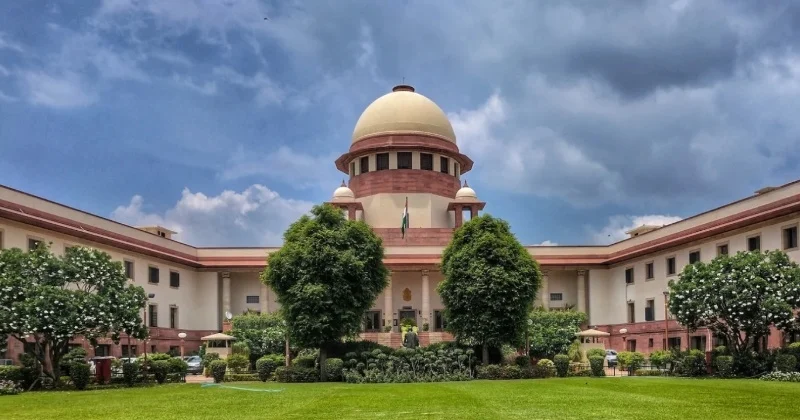
The Supreme Court has directed High Courts to ensure faster delivery of reserved judgments, setting a three-month limit for pronouncement in most cases. The Court also issued strict timelines for bail matters, stressing that delays in cases involving personal liberty undermine the justice system.
A Bench led by Chief Justice Surya Kant observed that judgments reserved after hearings must ordinarily be delivered within three months. It stated that bail applications should be decided on the same day of hearing. If an order is reserved, it must be pronounced and uploaded by the next day.
The Court said cases involving regular bail, anticipatory bail, and sentence suspension require urgent attention. It directed that once bail or release orders are passed, they must be communicated immediately to jail authorities. Release of undertrials or convicts should take place the same day or the following day, unless other legal constraints exist.
The Bench added that judgments pending beyond three months must be placed before the Chief Justice of the concerned High Court for further action. It also referred to wider concerns over prolonged undertrial detention in several cases, where individuals remain in custody for years due to delayed trials and bail hearings.
The directions were issued during the hearing of a plea concerning a delayed judgment from the Jharkhand High Court, where the verdict remained unpublished for months.