

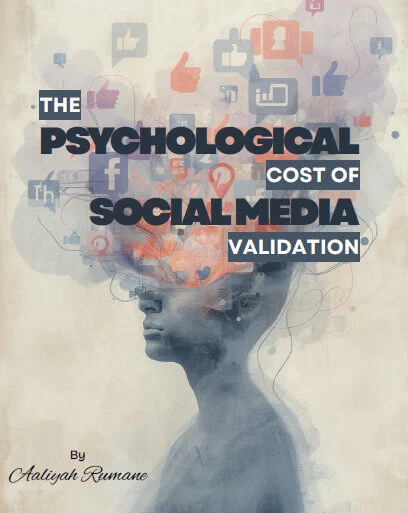
In the last few decades, social media has emerged as one of the most powerful tools in influencing human psychology. Platforms that were originally created for communication and sharing ideas have evolved into virtual arenas of constant comparison, self-promotion, and endless pursuit of digital approval. Modern individuals, especially youth, often find themselves measuring their worth by likes, comments, followers, and shares. The pleasure gained from online praise is usually temporary, but the psychological cost can be long-lasting.
Islam, being a comprehensive way of life, addresses the emotional, social, and spiritual needs of human beings. Long before the invention of social media, the Qur’an and the Sunnah warned against seeking validation from people, showing off, and comparing oneself with others. These teachings are relevant today, offering clarity and balance in a world overwhelmed by digital noise.
Understanding Social Media Validation
Social media validation is the acceptance or the sense of worth a person feels when they receive positive engagement online such as likes or comments. This validation can become addictive because it activates the dopamine pathway. However, when the desire for approval becomes excessive, it creates stress, anxiety, insecurity, and emotional instability.
The psychological cycle looks like this: Post then Wait for reactions then Check repeatedly then Feel happy with the approval then Feel anxious or sad without it.
This cycle gradually teaches individuals to make their identity based on external reactions rather than internal conviction or spiritual fulfilment.
What Islam Says about Human Need for Validation
Islam acknowledges that human beings naturally appreciate encouragement and love. Allah created us with emotional needs. However, Islam also teaches that true validation and lasting contentment come only from Allah, not from public praise.
Allah says:
“Say: Indeed, my prayer, my sacrifice, my living and my dying are for Allah, the Lord of the worlds.” (The Qur’an 6:162)
This verse reminds the believers that their purpose in life is linked with pleasing Allah, not pleasing people. When a Muslim internalises this, they become emotionally and spiritually stronger. People’s opinions may fluctuate, but Allah’s acceptance is always unchanged.
The Prophet ﷺ said:
“Whoever seeks Allah’s pleasure by the people’s wrath, Allah will suffice him from the people. And whoever seeks the people’s pleasure by Allah’s wrath, Allah will entrust him to the people.” (Jami` at-Tirmidhi)
This hadith directly addresses the crisis of seeking human approval. When a person becomes dependent on people’s reactions, they feel emotionally enslaved. But when their heart is attached to Allah, they become liberated.
The Danger of Riya (Showing Off) in the Digital Age
One of the greatest spiritual threats amplified by social media is Riya i.e. performing actions for the sake of being seen or praised. Posting good deeds, charity, religious acts, or achievements may easily slip into showing off when the primary intention becomes social approval.
The Prophet ﷺ warned:
“The thing that I fear most for you is minor Shirk (polytheism). They said: ‘What is minor Shirk, O Messenger of Allah ﷺ?’ He said: ‘It is Riyā’ (showing off).” (Musnad Ahmad)
Riya was considered dangerous even at a time when there were no cameras, followers, or public profiles. Today, the temptation is far greater. It is easy to fall into the trap of portraying a ‘perfectly righteous’ tag online to gain admiration.
The Psychological Burden of Riya
When a person depends on public praise; their emotions rise and fall with other people’s opinions. They become anxious about maintaining a certain image, they fear criticism and judgement and they lose authenticity and feel spiritually empty.
Islam teaches that Ikhlaas (sincerity) heals this burden. When actions are done for the sake of Allah alone, the heart feels light and peaceful.
Comparison Culture and Envy
Social media encourages people to compare their lives with others. Photos of vacations, achievements, beauty, and wealth create unrealistic standards. This comparison leads to low self-esteem, jealousy, depression, ingratitude and dissatisfaction with one’s blessings.
Allah warns us:
“And do not crave what Allah has given some of you over others.” (The Qur’an 4:32)
Comparison is not only spiritually harmful but psychologically draining. A person spends their energy measuring themselves against others instead of improving themselves or appreciating what Allah has given them.
The Prophet ﷺ gave a practical solution to this by saying:
“Look at those who are below you, and do not look at those who are above you, for that is more likely to hold you back from belittling the blessing of Allah upon you.” (Bukhari,Muslim)
This teaching directly counters the culture of envy and comparison triggered by social media.
The Illusion of Perfection
Social media fosters a culture where people present the best version of themselves while hiding their flaws, struggles, and imperfections. Viewers, unaware of the unseen reality, may assume others live perfect lives.
From an Islamic point of view, this illusion is harmful for two reasons:First, it causes internal pressure for the person posting, pretending to be perfect creates emotional strain. Secondly, it misguides others.
Islam encourages humility and honesty. The Prophet ﷺ discouraged exaggeration and false portrayals.Presenting a lifestyle that isn’t real, merely to attract admiration, contradicts the Prophet’s teaching and harms others who feel inferior by comparison.
Mental Health Consequences of Seeking Online Validation
Anxiety and Stress: Constantly checking for likes and comments increases stress levels. The fear of posting something unpopular or being judged triggers social anxiety.
Depression: When a person does not receive the expected validation, they may feel unimportant or unloved. Negative comments also contribute to feelings of sadness and self-doubt.
Identity Crisis: People who form their online presence to please others often lose touch with their authentic selves. Their identity becomes dependent on public approval rather than personal values or faith.
Reduced Concentration and Productivity: Endless scrolling and engagement reduces attention span, disrupts sleep, and lowers productivity. Islam encourages balance and warns against wasting time.
Allah the Exalted says:
“By time. Indeed,mankind is in loss.” (The Qur’an 103:1-2)
Islamic Tools to Heal the Need for Validation
Strengthening Ikhlaas (Sincerity): Purify your intentions before posting anything. Ask yourself questions like: Am I sharing this for Allah?, Does this benefit others?, Would I still do this if no one knew?
One of the most famous hadith states:
“Actions are only by intentions…” (Bukhari, Muslim)
Sincerity protects the heart from both showing off and emotional instability.
Dhikr: The Qur’an teaches that emotional tranquillity comes by remembering Allah:
“Verily, in the remembrance of Allah do hearts find rest.” (The Qur’an 13:28)
Instead of seeking instant emotional hits from notifications, one finds deeper peace in spiritual connection.
Shukr (Gratitude): Practise Shukreveryday. The more one focuses on their own blessings, the less room there is for comparison or envy.
Allah promises in the Qur’an:
“If you are grateful, I will certainly give you more.” (The Qur’an 14:7)
Shukr empowers the heart and reduces the psychological harm of social media exposure.
Valuing Privacy: Islam encourages modesty and discourages showing off personal blessings excessively.
The Prophet ﷺ said:
“Seek help in having your needs met by being discreet, for everyone who is blessed with something is envied.” (Tabarani)
This hadith perfectly applies to social media behaviour. Not everything needs to be shared. Privacy protects blessings and mental well-being.
Limiting Social Media Consumption: Self-discipline is very important. Set specific times for checking social media. Overuse can quickly turn into addiction. The Prophet ﷺ taught moderation in all matters, even in worship. This balanced approach applies to technology as well.
Remembering that Allah is Watching over You: A believer is motivated by the awareness that Allah sees their actions, intentions, and struggles. While people may overlook or forget, Allah never does.
The Qur’an states:
“And your Lord is not unaware of what you do.” (The Qur’an 11:123)
Social Media as a Tool for Good
Social media itself is not haram; the problem lies in how it is used. Islam does not discourage technology. It encourages positive uses. This includes spreading beneficial knowledge, staying connected with one’s family, supporting charitable causes, sharing reminders and Islamic teachings, encouraging positivity and kindness
But these actions must be grounded in ikhlaas, humility, and wisdom.
Wrapping-Up
Social media praise has a huge psychological cost. It encourages spiritual emptiness, comparison, envy, and insecurity. Ikhlaas, Shukr, Dhikr, humility, and time management are some of the great tools that Islam’s timeless wisdom offers to counteract these negative effects.
A believer finds inner tranquillity and emotional independence when they realise that Allah, not likes or followers, is the source of true worth. Closeness to Allah, rather than digital acclaim, is where the heart finds rest.
The Prophet ﷺ beautifully summarised. He ﷺ said:
“Wealth is not in having many possessions, but rather (true) wealth is feeling sufficiency in the soul.”(Bukhari)
Social networks may provide temporary validation, but Islam brings inner peace and permanent purpose behind it.