

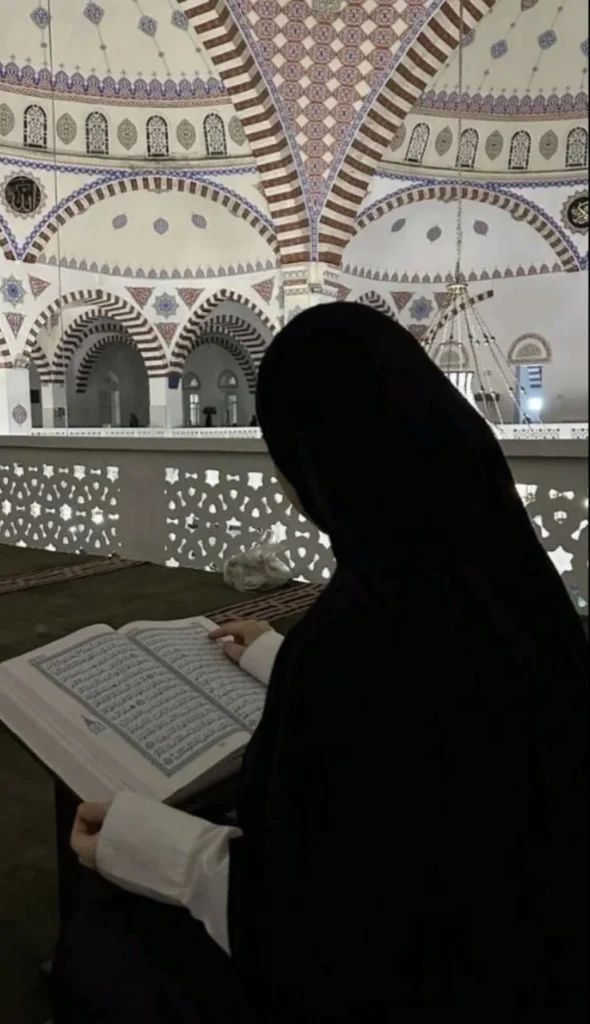
Have you ever wondered why Ramadan feels so different from the rest of the year?Why do hearts feel softer, prayers feel more sincere, and patience seems easier to practise? Why do many of us suddenly find time for the Qur’an, charity, and reflection?
And then another question quietly appears after Eid: why do some of these changes fade so quickly?
During Ramadan, many Muslims feel spiritually renewed. Mosques become fuller, acts of kindness increase, and people become more careful about their words and actions. For a brief period, it seems as if life slows down and faith takes centre stage.
But is this transformation meant to last only for a month? Or is Ramadan meant to change us in a deeper and more lasting way?
Ramadan: A Month of Training
The Qur’an explains the purpose of fasting clearly:“O you who believe! Fasting has been prescribed for you as it was prescribed for those before you so that you may attain taqwa.”(The Qur’an 2:183)
Taqwa– awareness of Allah – is not limited to Ramadan. The month is meant to serve as a training ground, helping believers develop discipline, patience, and mindfulness that continue throughout the year.
Just as training prepares an athlete for greater endurance, Ramadan prepares the heart for a more conscious life.
Not All Fasting Is the Same
Islamic scholars have long explained that fasting has different levels.The first is the fasting of the body, refraining from food and drink from dawn until sunset.The second is the fasting of the limbs – guarding the tongue from gossip, protecting the eyes from harmful sights, and keeping actions away from wrongdoing.The highest level is the fasting of the heart, freeing it from jealousy, arrogance, and resentment.
The Prophet ﷺ reminded believers of this deeper meaning when he said: “Whoever does not give up false speech and acting upon it, Allah has no need of his leaving his food and drink.”(Sahih al-Bukhari)
Fasting, therefore, is not merely about hunger; it is about transformation.
The Real Test After Ramadan
Ramadan surrounds us with a powerful spiritual environment. Families wake for suhoor together, mosques fill for taraweeh, and reminders of faith become part of everyday life.But when the month ends, that atmosphere gradually fades.The real question then becomes: what remains?
Do we continue the habits we built during Ramadan? Do we still guard our speech, control our anger, and make time for the Qur’an? Or does the Ramadan spirit quietly slip away as life returns to normal?
A Change That Should Last
The true success of Ramadan is not measured by how intensely we worship for 30 days, but by the changes that stay with us afterward.Even small habits – a daily prayer offered with sincerity, a few verses of the Qur’an read regularly, or a conscious effort to speak kindly – can carry the spirit of Ramadan throughout the year.
Ramadan offers more than a temporary change in routine. It invites believers to reflect, reset their priorities, and strengthen their relationship with Allah. The habits we build during this sacred month – patience, discipline, kindness, and mindfulness – are meant to shape our lives long after it ends.
[Ayesha Khanum holds a BCA degree and is the Local Secretary of Girls Islamic Organisation (GIO), Hubli]