

The British government rejected proposed atrocity prevention plans for Sudan despite intelligence warnings of possible genocide in El Fasher, a city that has since fallen to the RSF. A leaked internal report revealed that the Foreign, Commonwealth and Development Office opted for the “least ambitious” of four available strategies, citing funding and staffing constraints.
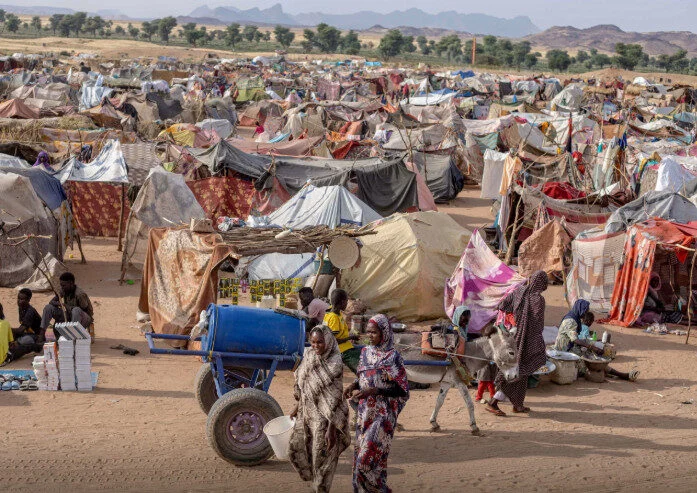
El Fasher, which endured an 18-month siege before its capture, witnessed widespread killings, sexual violence, and mass displacement following the RSF takeover. Thousands of residents remain missing. The internal FCDO paper from 2024 outlined four options for civilian protection, including an international protection mechanism against crimes such as sexual violence. However, budget cuts led officials to pursue a limited response, allocating £10 million to the International Committee of the Red Cross and similar bodies.
Human rights experts condemned the decision. Shayna Lewis from the Paema group said the UK’s stance amounted to “complicity in the ongoing genocide of Darfur’s people.” She stressed that atrocities are preventable when there is political will.
An Independent Commission for Aid Impact review found the UK’s response was weakened by inadequate funding and a lack of programme capacity, especially for protecting women and girls. Critics warned that short-term savings are undermining the UK’s global responsibility to prevent mass atrocities.