

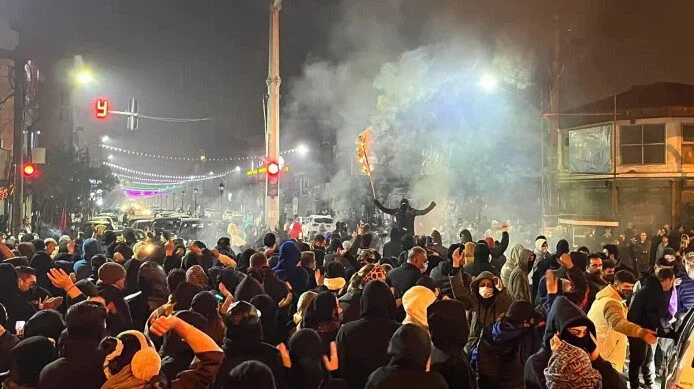
Tensions rose across Iran as anti-government protests spread to multiple cities and drew sharp warnings from the US. President Donald Trump said Iran faces serious turmoil and warned of possible military action if security forces open fire on protesters. He linked his remarks to reports showing crowds taking control of areas once viewed as secure.
Protests entered a second week amid rising economic pressure. A sharp fall in the rial and high living costs triggered anger among people. Rights groups reported at least 62 deaths since Dec. 28. The toll included 48 protesters and 14 members of security forces. Iranian authorities imposed a wide internet blackout to curb mobilisation. Airlines cancelled flights in and out of the country.
Supreme Leader Ayatollah Ali Khamenei urged unity during a televised address. He described the unrest as violent acts driven by foreign influence and warned of firm action. Officials accused protesters of serving foreign interests and damaging public property. President Masoud Pezeshkian called for restraint and asked the state to hear genuine grievances.
Police issued messages asking residents to avoid areas facing violence. Reports from Zahedan said gunfire injured several people after prayers. Iran accused the US and Israel of fuelling unrest. American officials dismissed those claims. The crisis continues as streets remain tense and communication limits persist.