

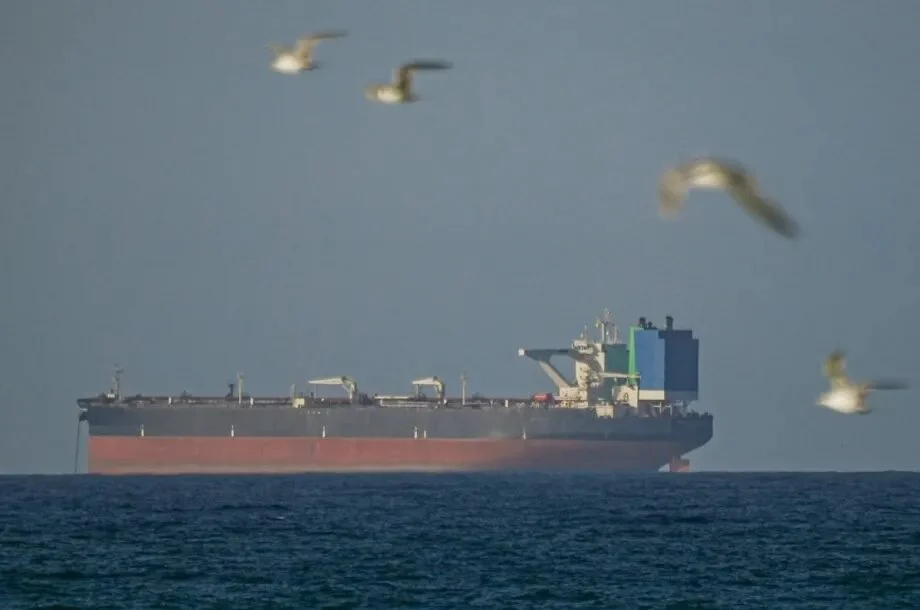
The United States has announced a naval blockade of the Strait of Hormuz after talks with Iran ended without agreement, raising tensions across West Asia and putting a fragile ceasefire at risk.President Donald Trump said the US Navy would begin blocking ships entering or leaving the strait. He also ordered action against vessels accused of paying transit tolls to Iran. The move targets a key global route through which about one fifth of the world’s energy supplies pass.
The talks in Islamabad marked the first direct engagement between the two sides in over a decade. Both sides blamed each other for the failure. US Vice President JD Vance said Washington had clearly set its conditions, including a demand that Iran halt any move toward nuclear weapons.
Iranian leaders said the United States failed to build trust. Officials stated they had offered forward-looking proposals. Iranian media reported disagreements over the Strait of Hormuz and nuclear policy as the main obstacles.
Tehran has called for control over the strait, an end to regional hostilities, and payment of reparations. It also seeks access to frozen assets. Iran has denied any plan to develop nuclear weapons.
The ceasefire, agreed earlier in the week, remains under strain. Shipping activity has resumed in limited form, though many oil tankers remain stuck in the Gulf awaiting safe passage.
The UK will not participate in a US blockade of the Strait of Hormuz, according to local media.